
- English
- Español
- Português
- русский
- Français
- 日本語
- Deutsch
- tiếng Việt
- Italiano
- Nederlands
- ภาษาไทย
- Polski
- 한국어
- Svenska
- magyar
- Malay
- বাংলা ভাষার
- Dansk
- Suomi
- हिन्दी
- Pilipino
- Türkçe
- Gaeilge
- العربية
- Indonesia
- Norsk
- تمل
- český
- ελληνικά
- український
- Javanese
- فارسی
- தமிழ்
- తెలుగు
- नेपाली
- Burmese
- български
- ລາວ
- Latine
- Қазақша
- Euskal
- Azərbaycan
- Slovenský jazyk
- Македонски
- Lietuvos
- Eesti Keel
- Română
- Slovenski
- मराठी
- Srpski језик

Brazil's Solar Energy Market (2025)
1. Market Structure & Current Capacity
Total Installed Capacity: Brazil reached 55 GW of solar capacity by March 2025, with distributed generation (DG) dominating at 37.6 GW (68%) and utility-scale projects contributing 17.6 GW (32%). Solar now represents 22.2% of Brazil’s total electricity mix, ranking as the second-largest source after hydropower .
Regional Leaders: Minas Gerais leads with >900,000 DG installations, followed by São Paulo (756,000) and Rio Grande do Sul (468,000). The Midwest has the highest household penetration (8.5%), while the Northeast lags (4.4%) .
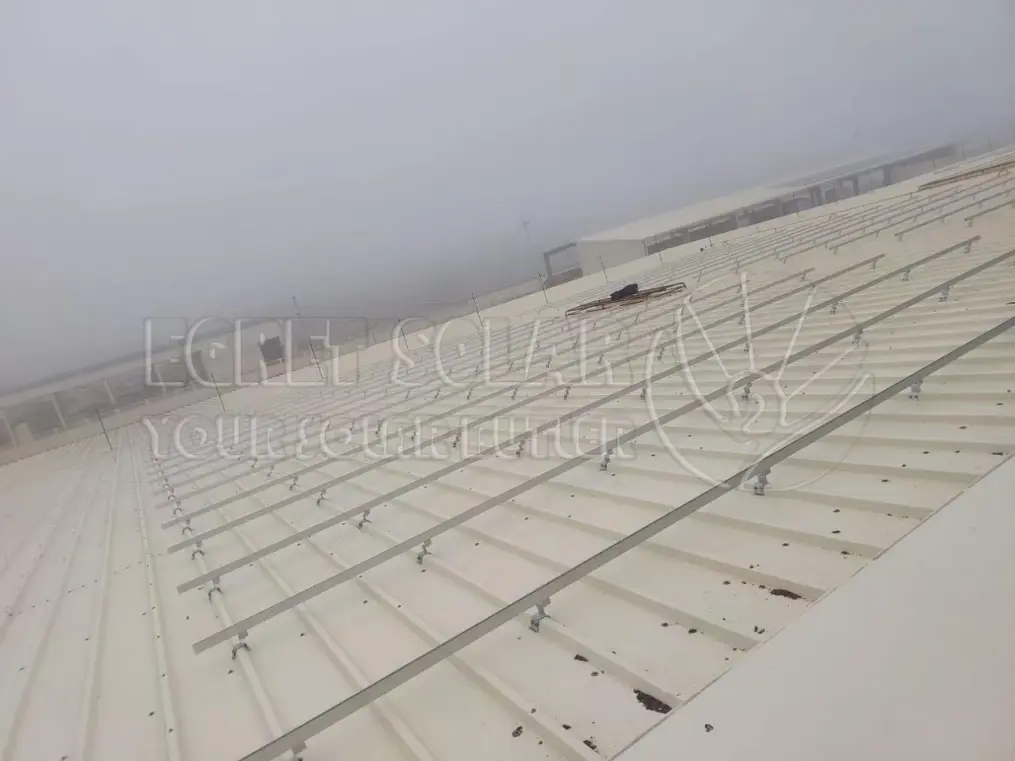
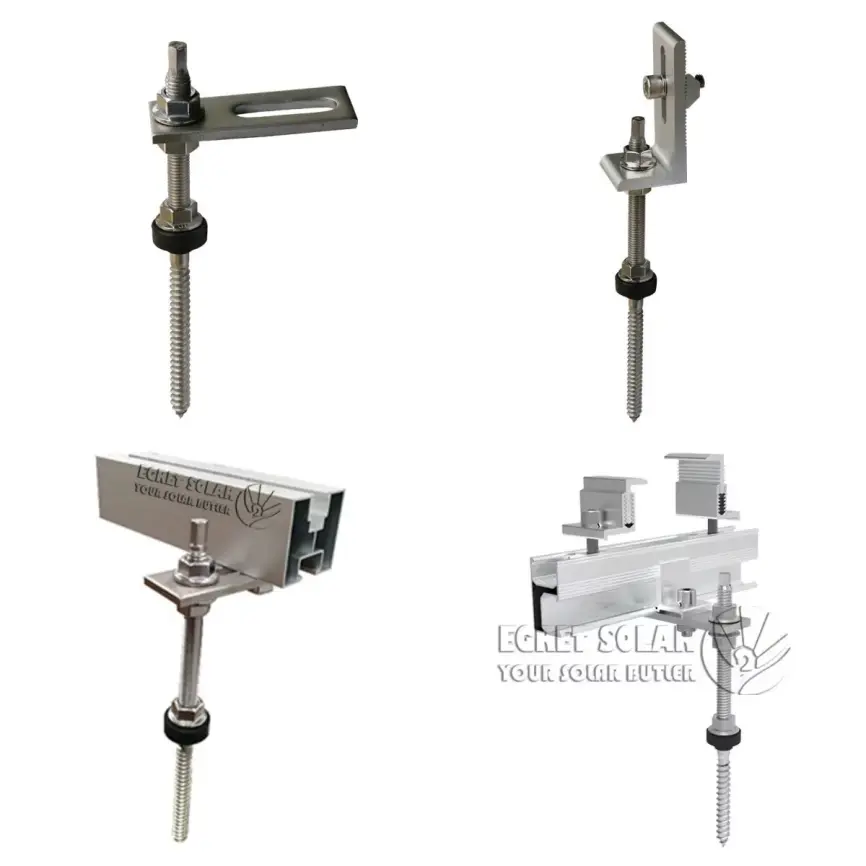
Pictured:Solar Roof Mounting System
2. Growth Trajectory & Forecasts
2025 Projections: Expected to add 13.2–19.2 GW of new capacity, a 25% YoY increase from 2024. Investments may reach R$394 billion (∼$69 billion), potentially creating 396,500 jobs.
Long-Term Outlook: By 2029, cumulative capacity could hit 90–107.6 GW, driven by DG (54.2–63.9 GW) and utility-scale projects (3.7–5.3 GW annually).
Recent Slowdown: Early 2025 saw a 24% decline in new DG capacity (only +1.2 MWp added), attributed to tariff hikes and grid bottlenecks.
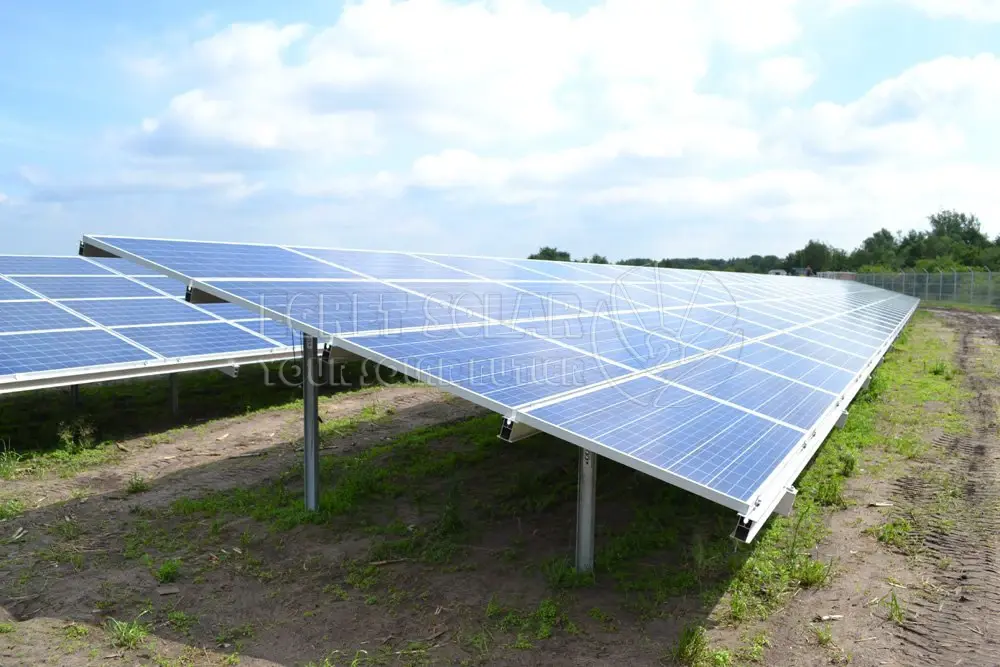
Pictured:double Pile Solar Ground Mounting
3. Economic Drivers
High Electricity Costs: Rising grid tariffs make solar economically viable, with residential systems achieving payback in <3 years.
Investment Appeal: Despite inflation, solar financing expanded; platforms like *Solfácil* reported an 83% residential share in financed projects.
Job Creation: The sector has generated 1.6 million jobs since 2012, with 2025 alone projected to add 396,500 positions.
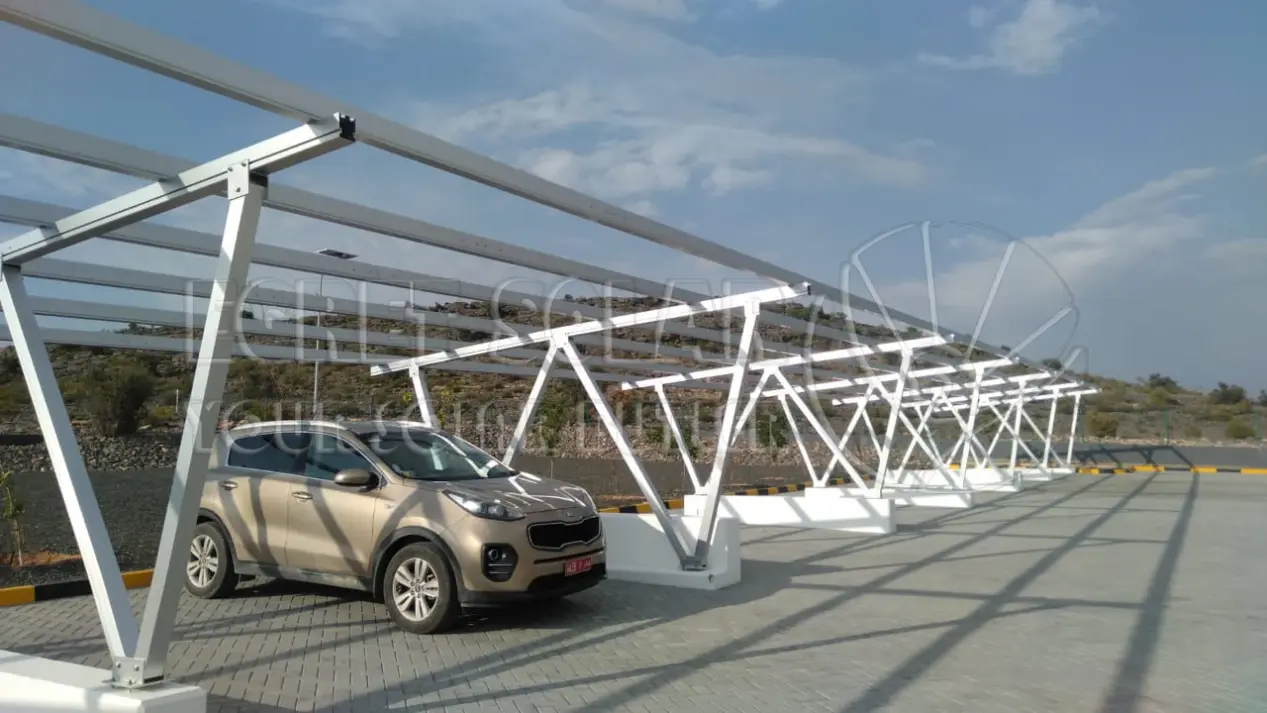
Pictured: Solar Aluminum Carport System
4. Key Challenges
Grid Constraints:
Distributed Projects: 30% face "technical rejections" due to reverse power flow concerns, causing interconnection delays.
Utility-scale: Transmission bottlenecks forced cancellations (e.g., Cubico’s 903.7 MW project in Ceará).
Tariff and Policy Shocks:
Import taxes on components surged from 9.6% to 25% in 2024, raising residential system costs by 13% and extending payback periods.
Policy delays (e.g., REBE bill stalled for 500+ days) and state-level taxes (e.g., São Paulo’s "solar tax") increase uncertainty.
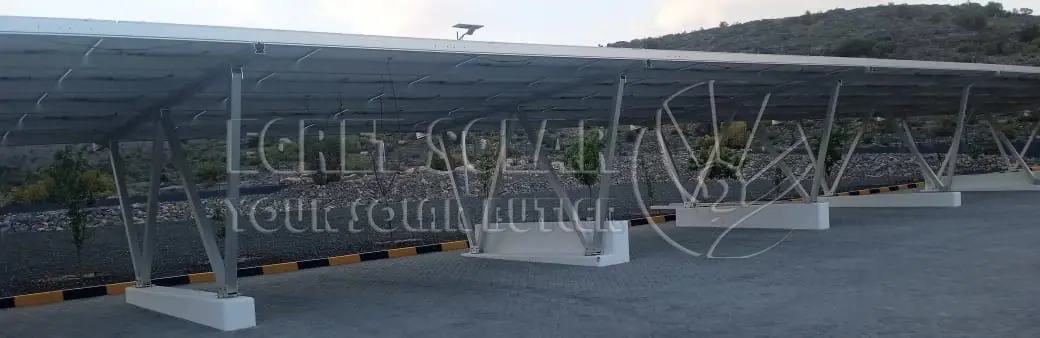
Pictured: Solar Aluminum Carport System
5. Policy and Regulatory Landscape
Federal Initiatives:
Tax Exemptions: REIDI program waives federal taxes (PIS/COFINS) for 5 years on DG projects >75 kW.
Energy Transition Plan (Paten): Offers loans for renewables and grid upgrades .
State Actions: São Paulo extended ICMS tax exemptions for DG until 2026 .
Pending Reforms: The REBE bill aims to subsidize low-income households and standardize grid access but remains delayed.
6. Technological and Market Innovations
Storage Integration: Hybrid systems grew to 4% of 2024 sales to mitigate grid instability . Companies like *Powersafe* and *SolaX Power* are expanding battery solutions.
Climate-Adaptive Tech: Inverter manufacturers (e.g., *Ginlong*) focus on high-temperature resilience (50°C operation) and IP65-rated components for humidity.
Smart Grid Pilots: "Reverse power control systems" are being tested to improve DG grid integration .
7. Future Outlook
Opportunities:
Storage Expansion: New Aneel regulations (2025–2026) will simplify
Rural Electrification: Programs like *Minha Casa Minha Vida* target 2 GW of low-income household installations.
Threats:
Sustained high import tariffs may suppress demand, especially for commercial projects.
Regional disparities in grid infrastructure could widen adoption gaps .
Conclusion
Brazil’s solar market is at an inflection point: 55 GW of installed capacity demonstrates robust growth, but infrastructure limitations and policy delays threaten momentum. Success hinges on:
Grid modernization to enable large-scale projects;
Accelerated REBE bill approval to ensure equitable access;
Localized manufacturing to offset import dependency.
With coordinated efforts, Brazil can achieve its 2030 goal of 50% renewables and solidify its status as Latin America’s solar leader.