
- English
- Español
- Português
- русский
- Français
- 日本語
- Deutsch
- tiếng Việt
- Italiano
- Nederlands
- ภาษาไทย
- Polski
- 한국어
- Svenska
- magyar
- Malay
- বাংলা ভাষার
- Dansk
- Suomi
- हिन्दी
- Pilipino
- Türkçe
- Gaeilge
- العربية
- Indonesia
- Norsk
- تمل
- český
- ελληνικά
- український
- Javanese
- فارسی
- தமிழ்
- తెలుగు
- नेपाली
- Burmese
- български
- ລາວ
- Latine
- Қазақша
- Euskal
- Azərbaycan
- Slovenský jazyk
- Македонски
- Lietuvos
- Eesti Keel
- Română
- Slovenski
- मराठी
- Srpski језик

How to select the grounding method for Solar Mounting Bracket?
In aluminum alloy projects, grounding washer are installed under the mid clamps or side clamps. When the clamps are locked, the conductive sheets will pierce the oxide layers of the module frames and Solar Mounting Brackets. The current from the modules in one array is converged into one path for grounding, to prevent lightning strikes in thunderstorms and electric shock during maintenance.
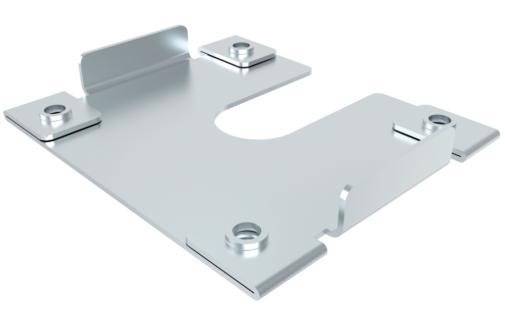
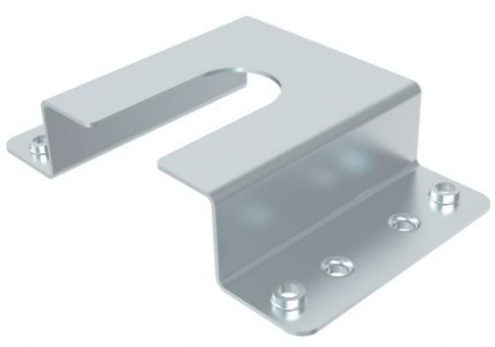
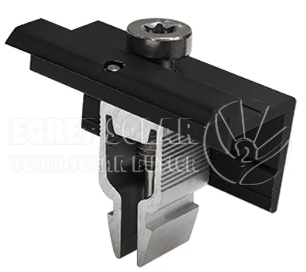
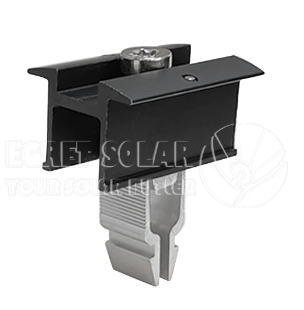
If you think installing a grounding washer adds extra steps, you can consider driving a conductive pin into the mid/end clamp. The conductive pin pierces the frame of the panel, allowing current to flow from the panel to the clamp, then to the mounting bracket, and finally to the ground, completing the circuit. Compared with installing a conductive tab, installing a conductive pin on the mid/end clamp is more efficient and convenient, making the entire Solar Mounting Bracket more stable.
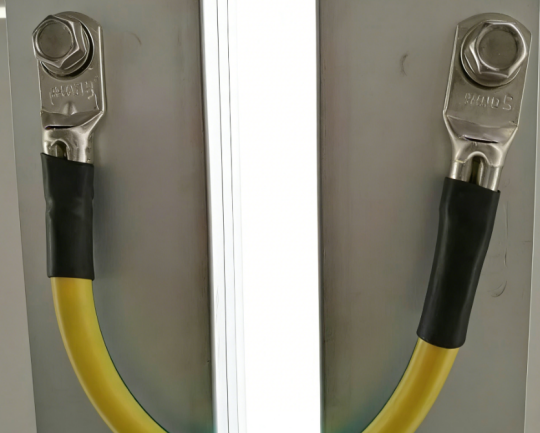
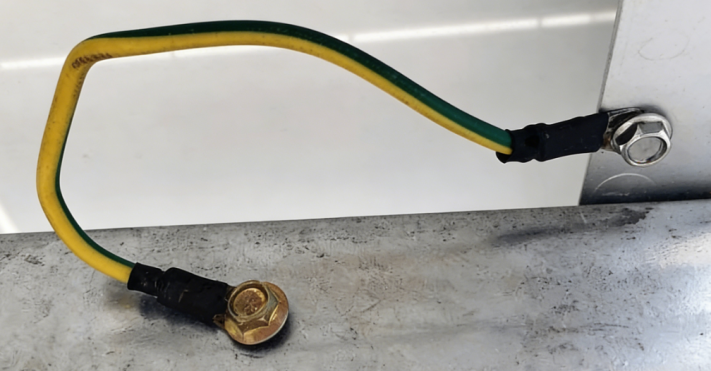
In carbon steel projects, grounding wires are used for earthing. Self-tapping screws are used together with grounding wires to connect the solar panels and the brackets. The grounding wire is a type of insulated copper cable, usually yellow-green in appearance. When leakage occurs in the solar panels, it can discharge current rapidly, reduce the contact voltage, and enhance safety during maintenance. Proper wiring and effective grounding measures can suppress electromagnetic interference and ensure the normal operation of the solar mounting bracket.
If you want to know more, please follow us at Egret Solar. We will provide you with one-stop solutions for your projects.