
- English
- Español
- Português
- русский
- Français
- 日本語
- Deutsch
- tiếng Việt
- Italiano
- Nederlands
- ภาษาไทย
- Polski
- 한국어
- Svenska
- magyar
- Malay
- বাংলা ভাষার
- Dansk
- Suomi
- हिन्दी
- Pilipino
- Türkçe
- Gaeilge
- العربية
- Indonesia
- Norsk
- تمل
- český
- ελληνικά
- український
- Javanese
- فارسی
- தமிழ்
- తెలుగు
- नेपाली
- Burmese
- български
- ລາວ
- Latine
- Қазақша
- Euskal
- Azərbaycan
- Slovenský jazyk
- Македонски
- Lietuvos
- Eesti Keel
- Română
- Slovenski
- मराठी
- Srpski језик

High Aluminum Prices Drive Demand for Solar Aluminum Mini Rails
In the past six months, the price of aluminum in China has remained high. Affected by multiple factors such as tight raw material supply, fluctuations in the international market, and supply and demand imbalances in the industrial chain, the price of industrial aluminum has been rising all the way, pushing up the cost of core auxiliary materials.The solar aluminum mini rail perfectly matches the core needs of current photovoltaic installations.
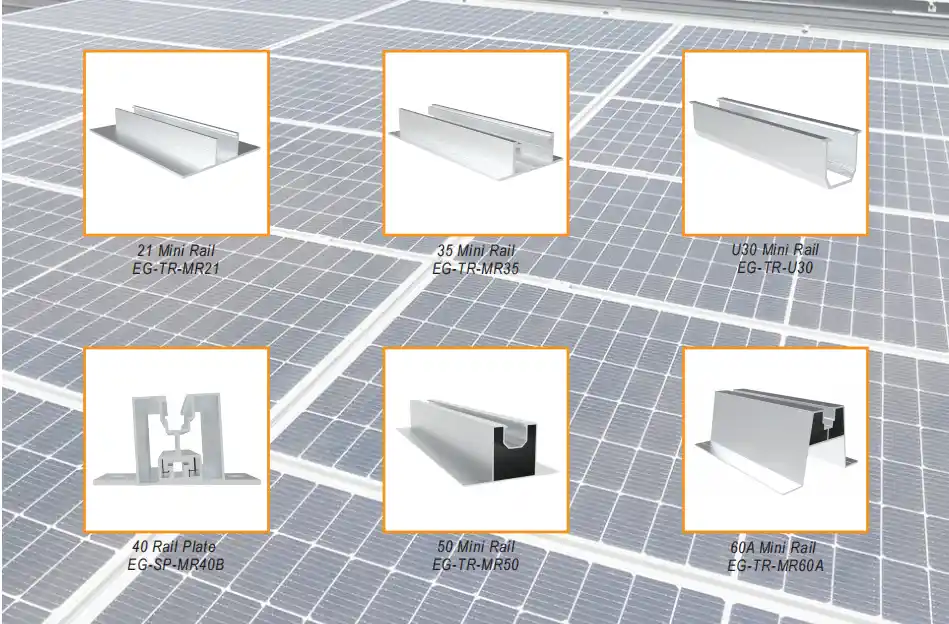
The core advantages of mini solar
Effective cost reduction
The mini rail is the king of cost-effectiveness for metal roof solar installations for two reasons.First, its small rail cross-section requires less material, resulting in a lower product price; Second, its compact size and lightweight design reduce packaging volume and shipping costs.
Improved installation efficiency
The mini rail is shorter, allowing a single person to complete the processes of transporting, positioning, and fixing it. This mini rail for solar increases construction speed by 20%-30% compared to traditional tracks, significantly shortening the construction cycle.
Highly adaptable
The short rail is suitable for installation on metal roofs of different degree and different roof type , offering flexible fit without the need for customization. Its versatility far surpasses that of some non-standard installation accessories.
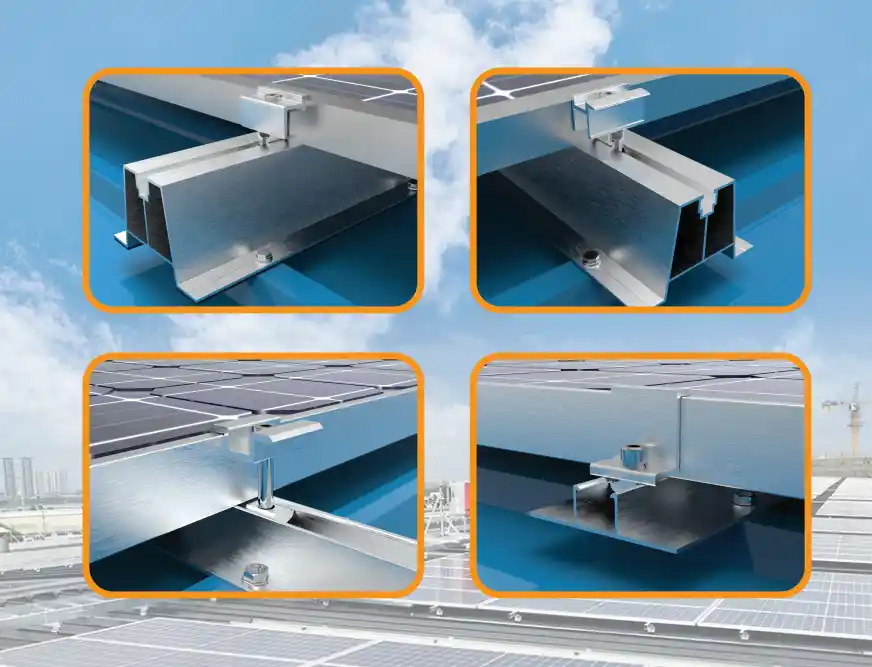
How to choose great quality mini rail?
1. Prioritize mini rails that meet design standards, preferably with CE, SGS, TUV, etc. Confirm the use of high-quality aluminum.
2.Consider the climate conditions of the installation site, confirming the product's load-bearing capacity, wind resistance, snow load resistance, and corrosion resistance. Confirming the weight per meter of the mini rail can help assess its stability.
3.Choose mainstream mini rail,like U30 mini rail,50mm height mini rail.To reduce construction and subsequent maintenance difficulties.
The mini rail solar panel mounting system is gradually become trend.The high-quality mini rail can effectively offset the cost pressure brought by rising aluminum prices, while also ensuring the quality of project installation and the stability of subsequent operation and maintenance, thus achieving a dual guarantee of economic benefits and project quality.
Previous:No News